








In a country where millions move daily through bustling streets, terminals, and highways, the difference between life and loss can come down to the first few minutes. Recognizing this urgent reality, Sagip CPR—pioneered by Bell-Kenz Pharma—has taken on an ambitious but deeply necessary goal: to train one million Filipinos in hands-only cardiopulmonary resuscitation (CPR) and basic life support.
What began as a public health advocacy has evolved into a nationwide movement anchored on a simple but powerful belief—that ordinary citizens can save lives.
At the Parañaque Integrated Terminal Exchange (PITX), one of the country’s busiest transport hubs, Sagip CPR recently expanded its reach beyond classrooms and into the frontlines of daily commuter life. In partnership with the Department of Transportation – Special Action and Intelligence Committee for Transportation (DOTr-SAICT) and other stakeholders, the advocacy conducted hands-on CPR training for bus drivers, conductors, and transport enforcers—individuals who interact with thousands of passengers each day.

The expansion into transport terminals reflects a strategic shift: focusing on high-traffic environments where immediate medical assistance may not always be accessible. When cardiac arrest strikes, survival depends heavily on swift bystander intervention. Studies show that eight out of ten cardiac arrests occur outside hospital settings—often at home or in public spaces—making widespread CPR knowledge not just beneficial, but critical.
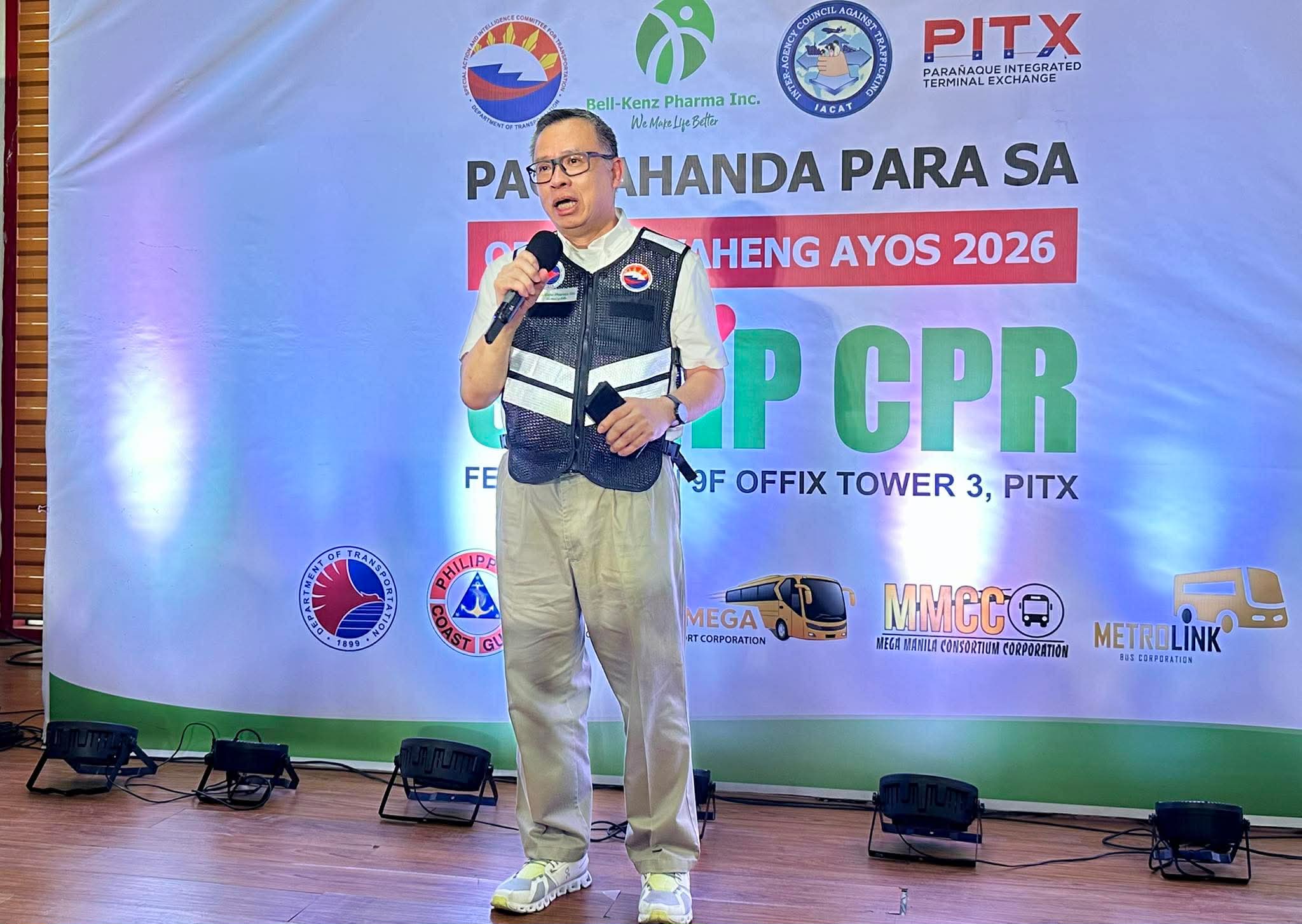
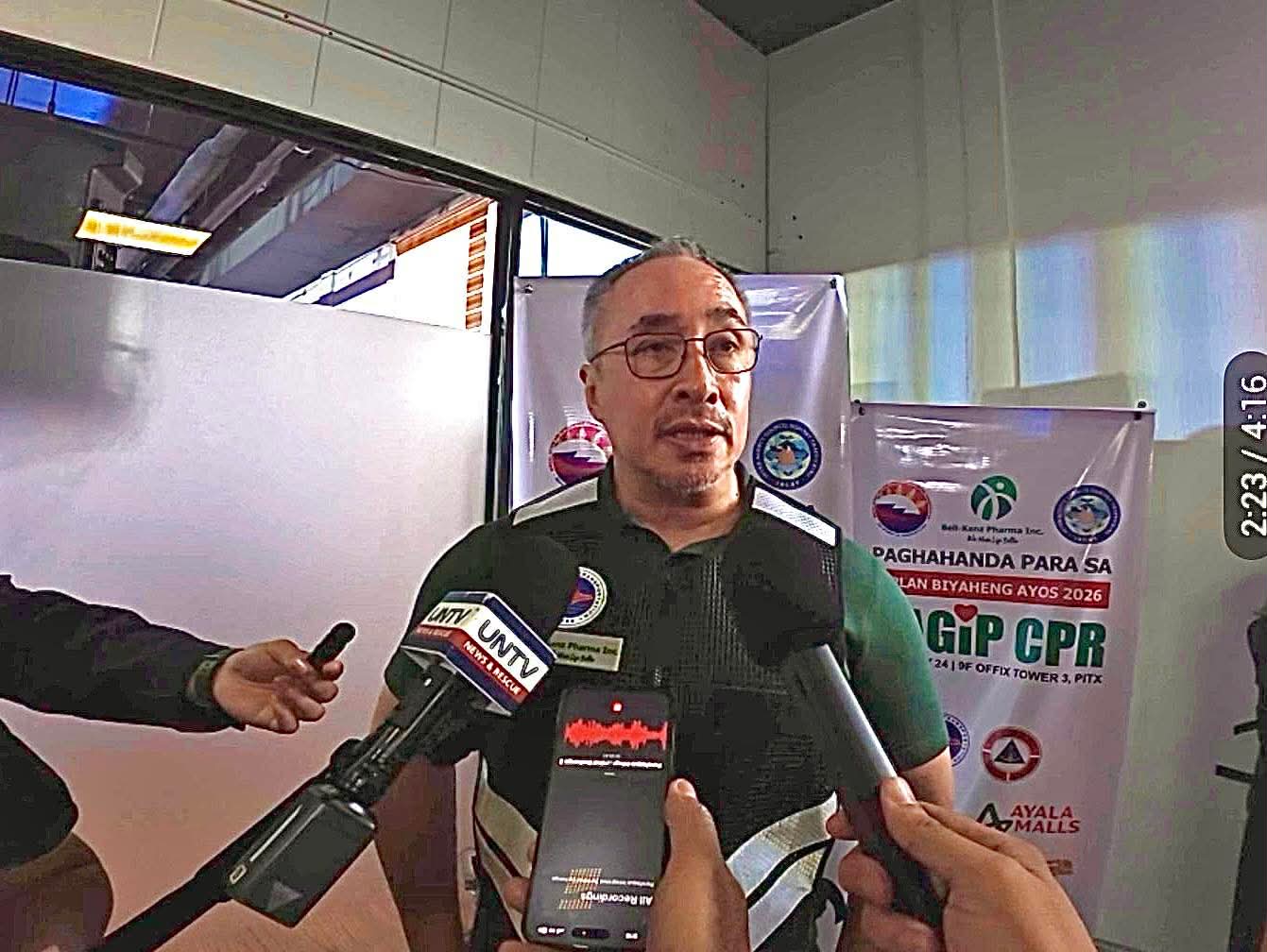
Patrick Larraga, Head of Corporate Branding & Public Affairs of Bell-Kenz Pharma, explained that Sagip CPR initially concentrated on senior high school students, leveraging what he calls the “multiplier effect.” By equipping the youth with lifesaving skills, knowledge spreads organically to families and communities. So far, more than 18 institutions nationwide have participated in school activations, reinforcing the legal mandate to integrate CPR training into the K to 12 curriculum.
Yet the mission did not stop in classrooms.
“We want immediate intervention to be possible even before medical professionals arrive,” Larraga emphasized. Expanding partnerships—to transport hubs, government agencies, and private institutions—ensures that trained responders are present where emergencies are most likely to happen. For Dr. Luis Raymond T. Go, Medical Director of Bell-Kenz Pharma, the advocacy reflects a broader corporate responsibility. Through the Kaagapay Project and its GPCPR initiative, the company seeks to improve not only access to quality medicines but also public safety readiness. With only about two out of ten Filipinos currently knowledgeable in CPR, the gap in emergency preparedness remains significant.
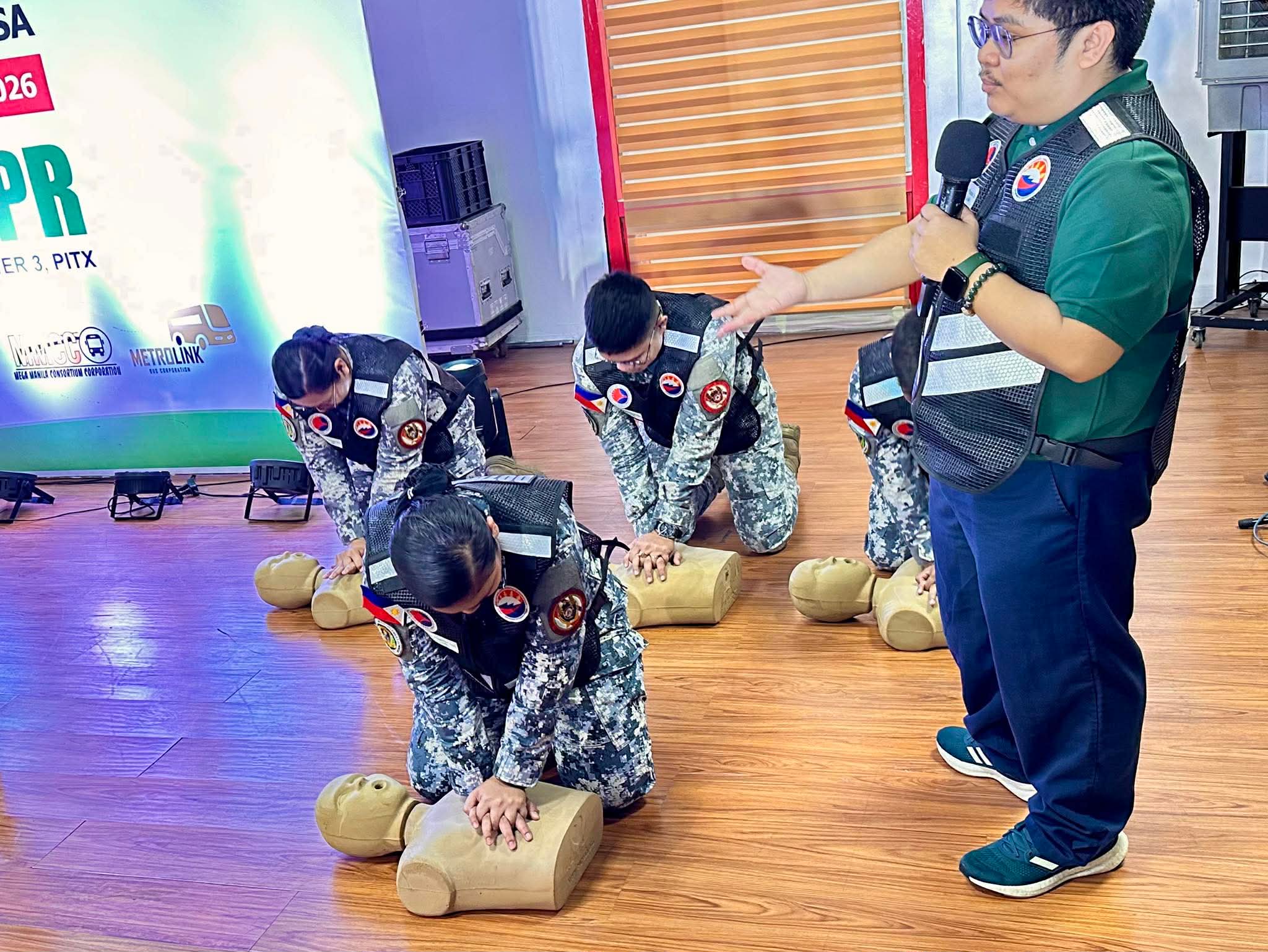
Without CPR, survival rates during cardiac arrest drop dramatically within minutes. However, when performed immediately—especially alongside an automated external defibrillator (AED)—CPR can dramatically increase survival chances. In crowded transport systems where ambulances may take time to arrive, trained frontliners can buy precious minutes that mean everything.
Dr. James Cayetano, President of the Bell-Kenz Pharma Foundation, underscored the urgency of empowering everyday responders. He cited the critical five-minute window before irreversible brain injury can occur during cardiac arrest, stressing that bystander action is often the decisive factor.
With 8,000 to 9,000 students already trained and transport personnel now joining the network, Sagip CPR continues to build momentum. More than a campaign, it is shaping a culture—one where preparedness becomes second nature, and where Filipinos are ready to act when every second counts.
For more information about SAGiP CPR, visit https://www.bell-kenz.net/
#BellKenzPharma #SagipCPR #OplanBiyahengAyos